أكتوبر ٢٠٢٧
مركز الرياض الدولي
للمؤتمرات والمعارض
الرياض، المملكة العربية السعودية
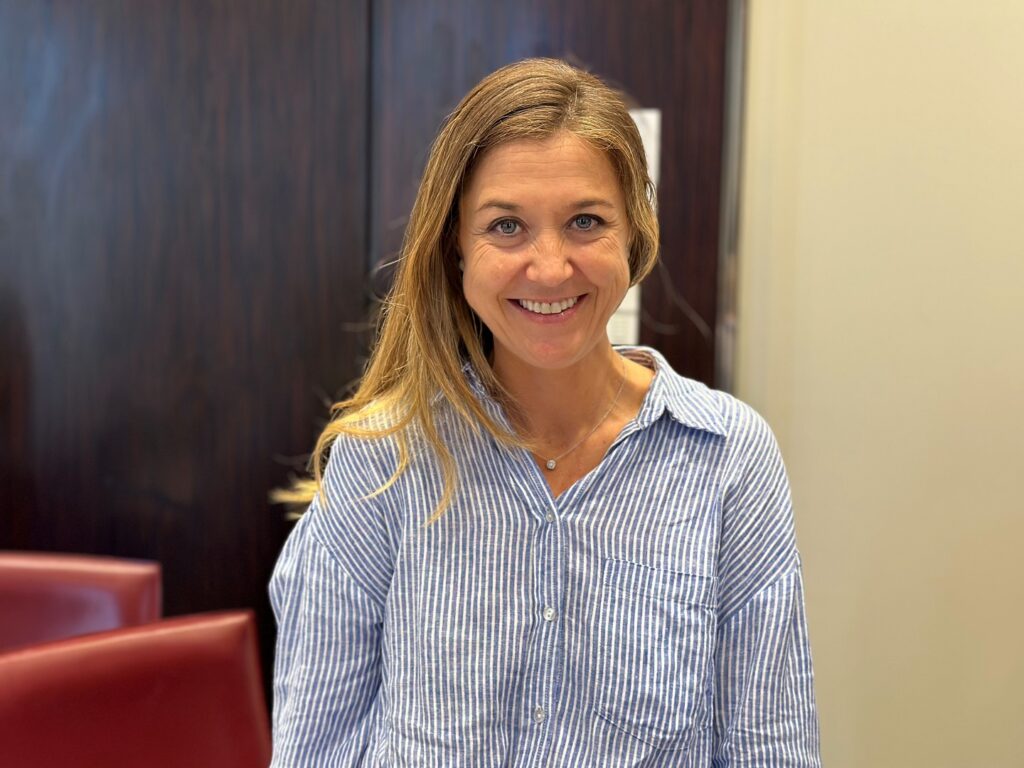
After their visit to Riyadh: What did European fashion leaders say about the Saudi market?
After their visit to Riyadh: What did European fashion leaders say about the Saudi market?
The fashion sector in the Kingdom of Saudi Arabia is experiencing a golden age , one in which the industry is growing rapidly and robustly, local brands are expanding, and specialized events and activities are diversifying, attracting industry leaders from around the world, including unions, organizations, and companies, and providing a platform for communication between them and industry leaders in Saudi Arabia.
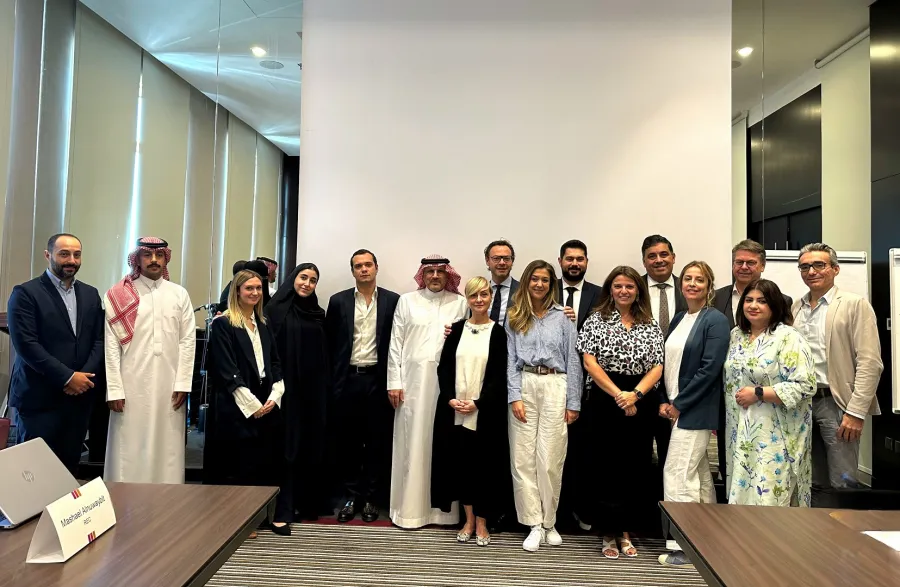
Because fashion is an important industry and a key cultural export for European countries, whose cities are home to many well-known fashion houses, the Saudi capital, Riyadh, recently hosted a group representing several major unions and companies from various European countries, in addition to Turkey. These companies represent various sectors, from clothing and fabrics to footwear, leather, fur, and more.
This hosting came on the sidelines of Saudi Lifestyle Week 2024, an event that discussed the industry in detail, starting with consumer habits in the Kingdom of Saudi Arabia, and extending to design and creative skills, the growth of local brands, manufacturing, import and export, the presence of global brands, and extending to complementary sectors such as marketing, advertising, and fashion media.
Sayidaty met with the visiting delegation, and we had a fruitful discussion with them about the various fashion sectors and their current economic reality. Representatives of the unions and companies included in the delegation unanimously agreed on the importance of this type of visit, which aims to clarify the similarities and differences between various markets and the main growth areas in the Saudi market.
Federica Dottori, Head of International Promotion at the Italian Textile and Fashion Confederation (SMI)
Federica Dottori, Head of International Promotion at the Italian Textile and Fashion Confederation (Sistema Moda Italia), spoke about the expertise and knowledge this delegation brings, saying: “As Europeans, we have faced similar market situations, so we understand each other. That’s why we are here today, together, to focus on issues that matter to us. We came here to gain in-depth knowledge about this market and this community and contribute to its growth. We will receive help from local designers to learn about the cultural specificities of this community. We organized a group of representatives of European organizations and companies, and we had the opportunity to visit the retail sector in Saudi Arabia together and meet with event organizers, major events, and the media. This helped us better understand the market and its challenges. When we return home, we will teach companies there what they need to know before entering this market.”
She added: “I am very happy to be in Riyadh representing the Italian Federation, which brings together all companies in the fields of sewing, fabrics, printing, and design for various categories. We represent the direct production line in the fashion sector in Italy, and we were wondering about the opportunities that the Saudi market holds for us and for these companies that focus heavily on sustainability and technical innovation, with more than 200 years of experience, having started as family businesses and continued.”
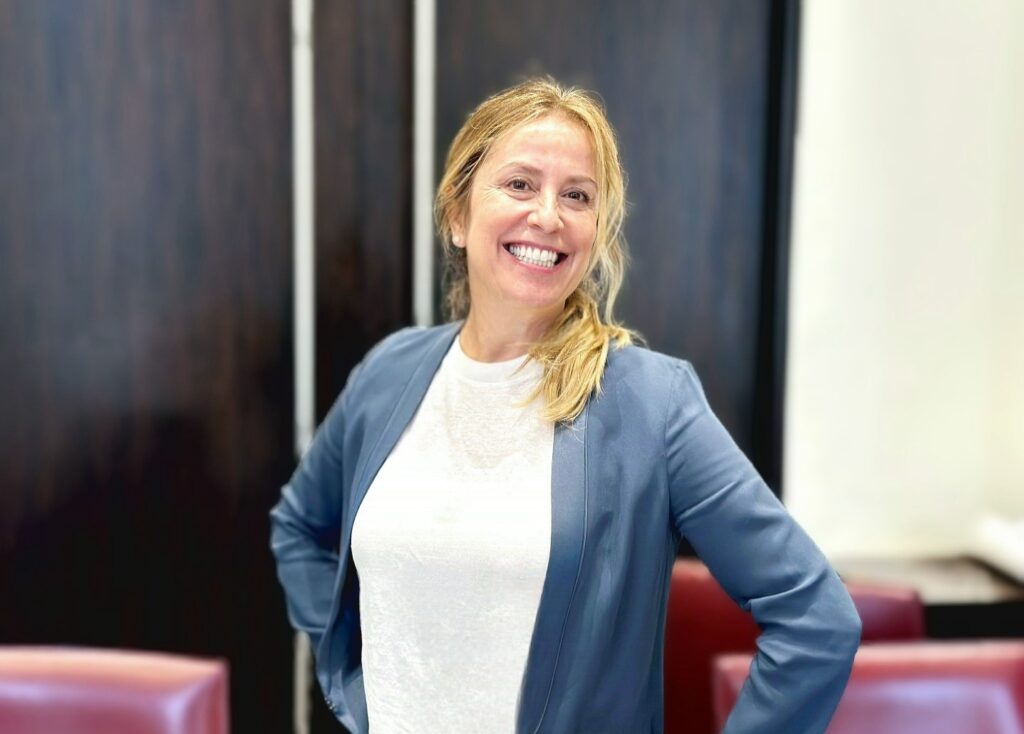
Koray Sus, from the Turkish Expotim agency
For his part, Koray Sus, from the Turkish Expotim Agency, emphasized, “Our presence here benefits all parties, supporting manufacturers, consumers, and traders in the Kingdom and the countries we come from, by building practical relationships that serve the sector and raise the level of work within it.”
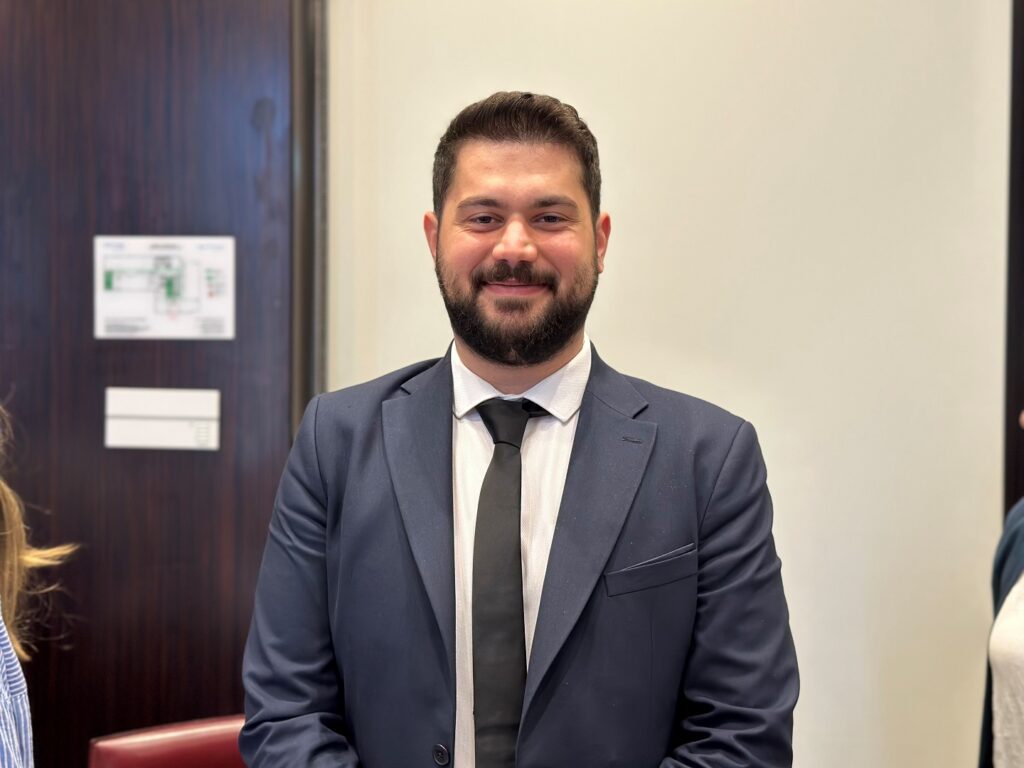
The European delegation during its visit to Riyadh
Marlene Oliveira, head of the international unit at CENIT Portugal, told Sayidaty, “There is an integrated cluster and value chain in Europe, especially in Portugal.” She added, “We have excellent fashion schools, manufacturing, and fashion events, and we are establishing ourselves as an exporting country in this field. We are accustomed to attending trade events and fashion shows in Paris, New York, and London, and we have developed carefully designed, high-quality projects. All of this adds value to the sector and promotes European products.”
She continued, “In general, we are prepared to offer high-quality, luxurious products, while also taking into account the concepts of sustainability and environmental protection, producing products that can be reused and recycled for years to come. This is what makes projects effective for the long term. That is why we say, ‘Buy less, but buy better.’ This way, we protect our environment and our future
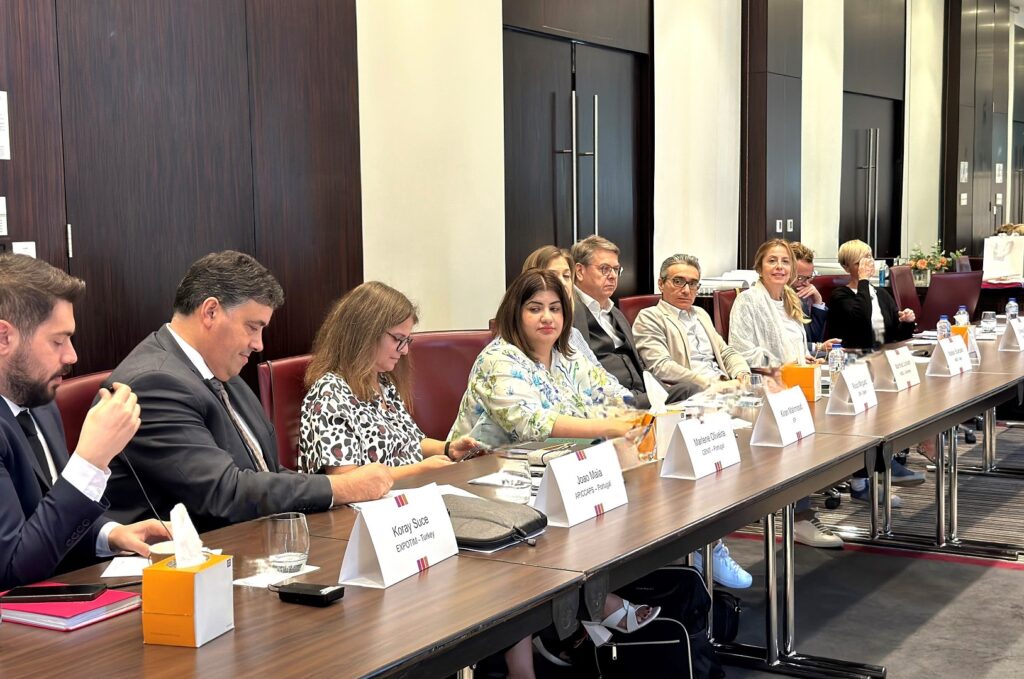
Matteo Scarparo, Head of Global Trade and Business Services at ANCI (Assocalzaturifici) – Italy
Matteo Scarparo, Head of Global Trade and Business Services at ANCI (Assocalzaturifici) in Italy, told Sayidaty, “There are many opportunities to develop the fashion industry in Saudi Arabia, especially in light of Vision 2030.” He added, “We seek to develop a deep understanding of the country, its culture, and its market. We see many major events taking place here now, such as fashion weeks and others, so we came to see what our brands would look like and what they would achieve if they were to be present here.”
Speaking about entrepreneurship, Scarparo offered advice to fashion entrepreneurs, saying, “You have to create a strong identity in the sector and convince consumers of your brand’s sources of inspiration and have a story to tell through it. You have to identify sources of investment in this brand.” He continued, “Quality also plays a major role and is one of the most important values to focus on.”
Read also: Heritage Arts Showcases Its Hidden Treasures at Riyadh Fashion Week
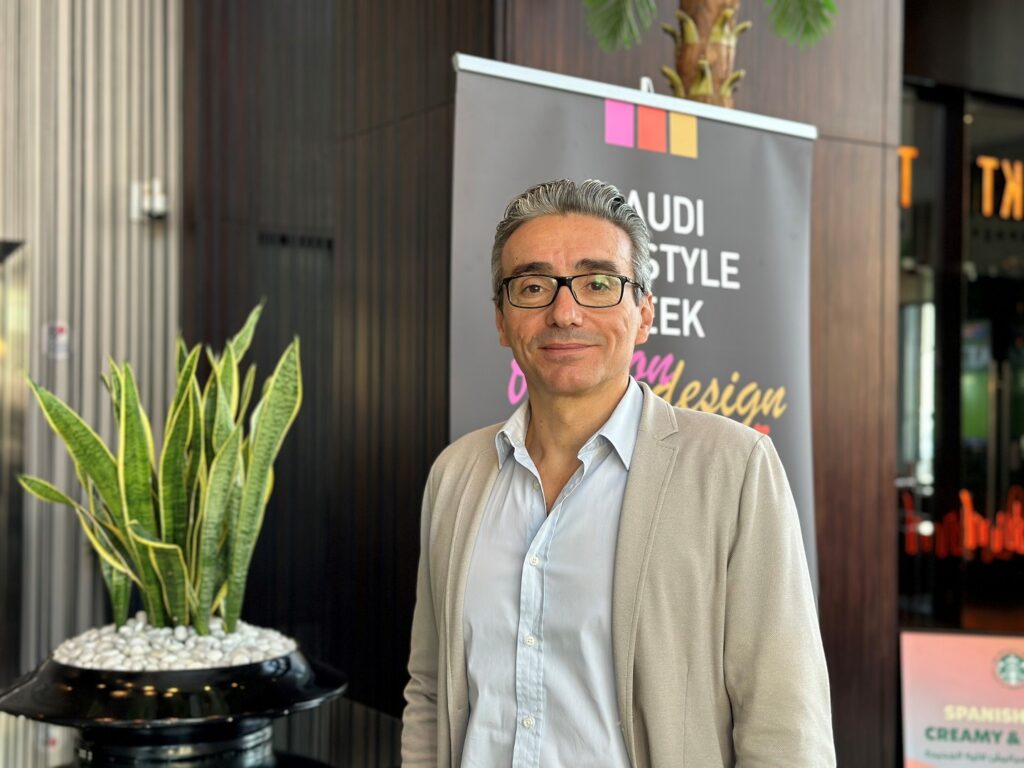
João Maia, General Director of APICCAPS (Portuguese Footwear Organization)
Our conversation with João Maia, Director General of APICCAPS (Portuguese Footwear Organization), addressed the footwear industry in Portugal and the changes it is witnessing. He said: “I will specifically talk about our commitment to the concept of sustainability. We have an integrated project to develop materials and provide sustainable solutions for the footwear industry. This project has been funded with €140 million and will be implemented over the next three years. This project is based on several pillars, including bio-based materials and materials based on natural materials.” He added: “For example, regarding leather, which is a controversial issue that may be difficult to explain to some, we do not raise animals for their hides. Rather, we benefit from the hides that are leftovers from the food sector, so they are not wasted without being used. Essentially, natural leather has aspects related to sustainability, and we are able to prove them. There are also many natural materials from trees that can be used without cutting down trees. Then, after all of that, we have shoe manufacturing processes and the level of chemicals used to operate factories. We are making amazing progress in finding innovative solutions for this and reducing the carbon footprint of our products. We hope to bring all of that here because we see how…” Saudi Arabia has developed economically in an amazing way.
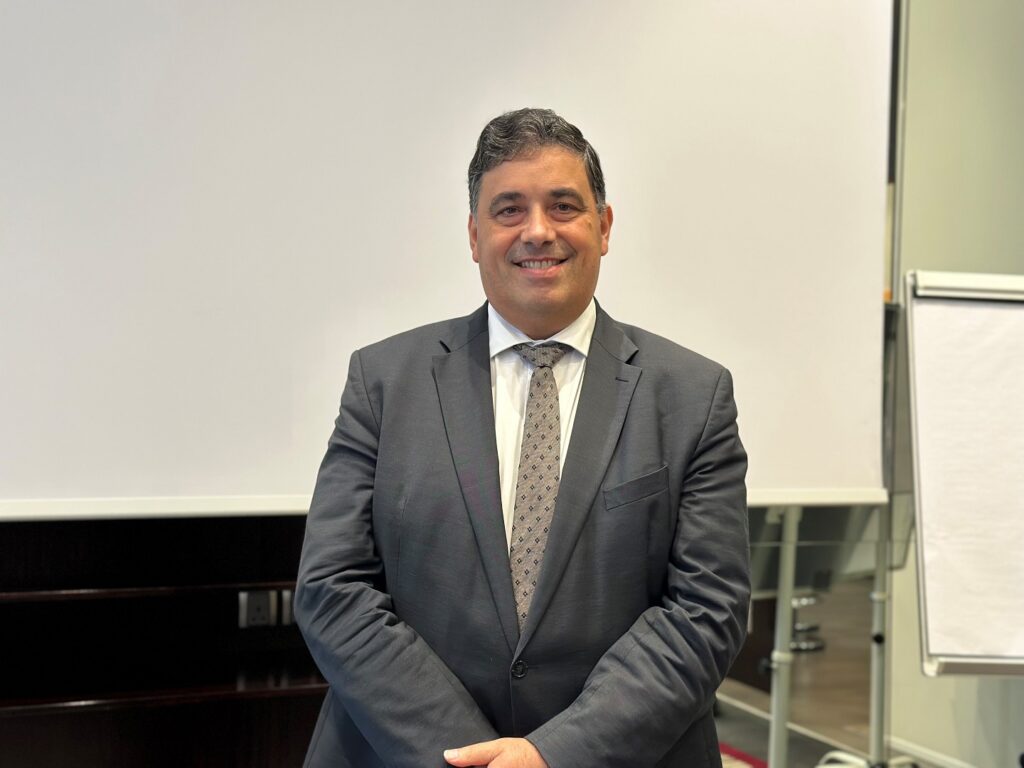
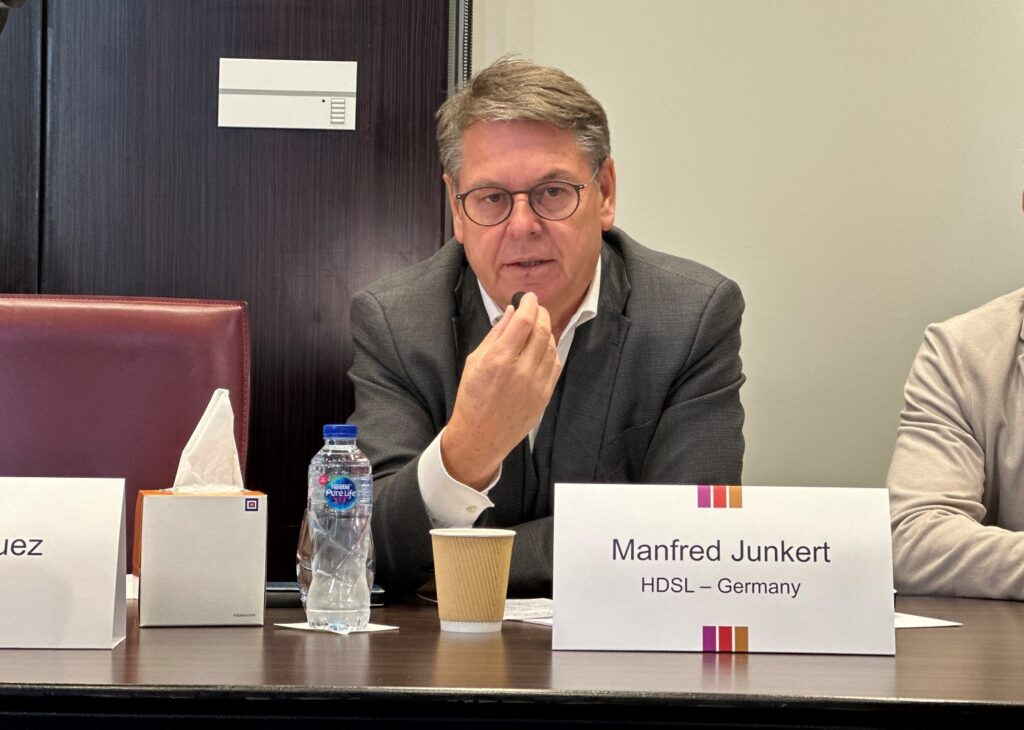
Manfred Junkert, CEO of HDSL (German Shoe Association)
In the footwear industry, we also spoke to Manfred Junkert, CEO of HDSL (the German Footwear Association), who spoke specifically about European excellence in this sector. He said, “There are many elements that can be mentioned in this context, but as for the European industry, it is built 100% on traditional foundations, which mainly mean experience, knowledge, and the essence of global interaction. Buying European products means benefiting from decades of experience and knowledge in this field.” He added, “As for the details, we must talk about creativity in design, sustainability, and keeping up with contemporary industrial patterns. For example, in Europe, we are now using artificial intelligence in many processes.”
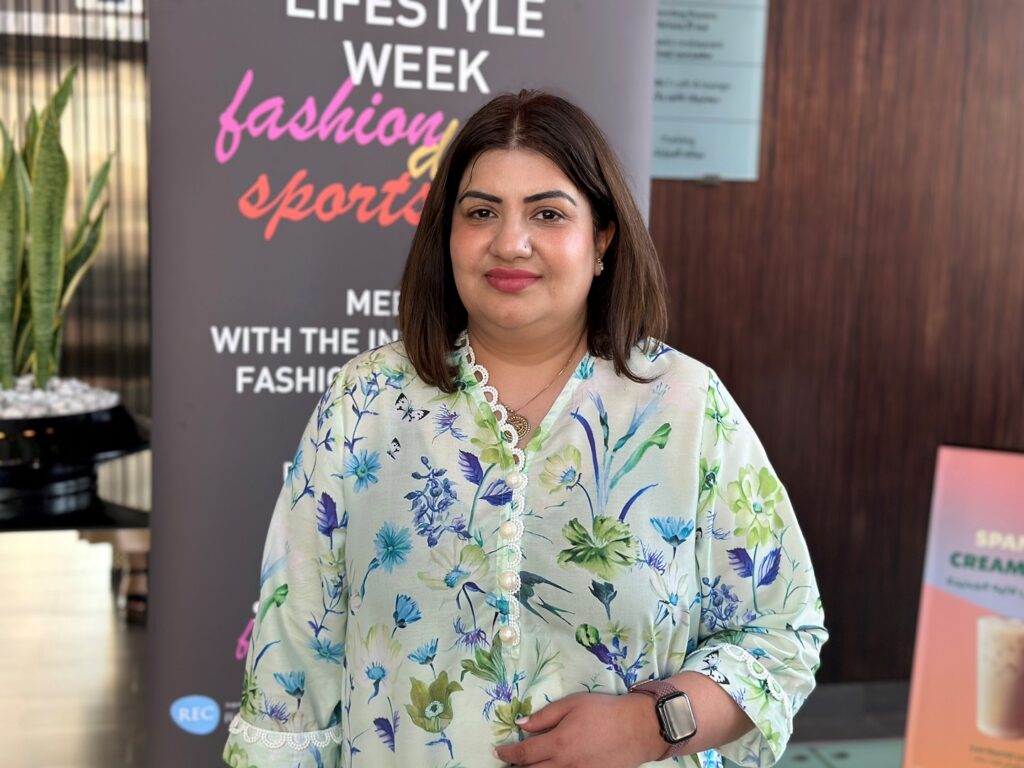
Kiran Mahmood, CFO and Head of HR and Compliance at IFF (International Fur Federation)
The fur sector is a controversial sector in the fashion industry, with both popular and oppositional, particularly from individuals, entities, and organizations that advocate for animal rights. We discussed this with Kiran Mahmood, CFO and Head of Human Resources and Compliance at the IFF (International Fur Federation). She began her talk by saying: “We were here for a few days to participate in Saudi Lifestyle Week, and it was a wonderful and enriching few days. We learned a lot of important things about the fur industry and how it finds its way into this market here, and we made a number of informative visits about the market and culture in the Saudi capital.”
“We have 55 member organizations in the World Fur Federation from over 40 countries around the world, and these organizations have other members under their umbrella, so we have a large member base, and our work is divided between trade and manufacturing,”
she continued. “Yes, our sector is controversial, but like other industries, we face challenges, but we contain these challenges as best we can. For example, restrictions related to animal welfare. We ensure that materials that come out of the Federation’s umbrella are ethically produced and traceable.”
Kiran Mohammed pointed out that “many celebrities are drawn to campaigns to boycott this industry, but on the other hand, there are a large number of celebrities and influencers who love real fur.”
She added, “For us, the claim that faux fur is more environmentally friendly is false. It contains a lot of chemicals and plastics, while real fur is sustainable, environmentally friendly, and embraces a heritage and culture that spans many years.”
Rocío Mínguez, Secretary General and Director of Communications at SFA (Spanish Fur Association)
In the same context, we spoke with Rocio Mínguez, Secretary General and Communications Director of the SFA (Spanish Fur Association), who confirmed: “Looking at the fur sector with compassion for animals is very popular now in Europe and the world, but we have to consider the durability and quality of the piece, and how many times it can be used.” She added: “Natural fur can maintain its quality for 50 or 70 years and can be passed on to generations, reshaped or even recycled. We know that its being of animal origin has been controversial recently, but in our opinion it is much better for the environment than the alternatives being proposed.
Source: Sayidaty